MikeSlater
Politics • Spirituality/Belief • Culture
Thanksgiving Part III: Honest and Good
Politics By Faith, November 25, 2025
November 25, 2025

Imagine the scene of the Pilgrims departing Holland. If you were their pastor, what advice would you give? Fortunately, we know what John Robinson wrote these brave Pilgrims. Their pastor recited Ezra 8, a beautiful parallel to our Pilgrims.

Welcome to Politics by Faith, our Thanksgiving week edition. I want to read a little bit from John Robinson. John Robinson was the leader of the Puritans in Holland before they set sail to the New World. So they were in England, and then they went to Amsterdam for about 12 years to flee the king and persecution there. And then they said, this isn't good enough because Amsterdam is corrupting our youth. So we're going to go to the New World. 

I want to read two things here. The first is, a description of the departure from William Bradford. And then I want to read from a letter that John Robinson wrote to the Pilgrims, the Puritans. They called themselves separatists back then. So he wrote a letter to his fellow separatists who were off on the journey. Let's start with William Bradford's account of leaving. 

So being ready to depart, they had a day of solemn humiliation. their pastor taking his text from Ezra 821. It's great. He gave a sermon on the boat. We'll get to Ezra in a little bit, but, uh, Ezra 821. And that at Yee River by Ahava, I proclaimed a fast that we might humble ourselves before our God and seek of him a right way for us and for our children and for all our substance. 

Upon which he spent a good part of the day, very profitably and suitably to their present occasion. The rest of the time was spent in powering out prayers to the Lord. with great fervency, mixed with abundance of tears. " How about that? Powering out prayers. That sounds very like modern evangelical. 

We're going to power some prayers in 1620. And the time came, excuse me, the time being come that they must depart. They were accompanied with most of their brethren out of the city and to a town sundry miles called Delfishaven, where the ship laid ready to receive them. So they left Delfishaven. goodly and pleasant city, which had been their resting place near 12 years. And they knew they were pilgrims and looked not much on those things of the city, but lift up their eyes to the heavens, their dearest country, and quieted their spirits. 

When they came to the place, they found a ship and all the things ready. And such of their friends as could not come with them followed after them. And Sundry also came from Amsterdam to see them ship to take the leave of them. That night was spent with little sleep by most. but with friendly entertainment and Christian discourse and other real expressions of true Christian love. The next day, the wind being fair, they went abroad, aboard, and their friends with them were truly doleful. 

Sad was the sight of the sad and mournful parting, to see what sighs and sobs and prayers did sound amongst them, what tears did gush from every eye, and pithy speeches. " I don't know what this word is. I'm reading this from the old English. Pithy speeches pierced each heart. Pierced! P -E -I -R -S -T, and pithy speeches pierced each heart. That sundry of ye Dutch strangers, and stood on ye key as spectators, could not refrain from tears. 

Yet comfortable and sweet it was to see such lively and true expressions of dear and unfeigned love. But the tide, which stays for no man, calling them away, were thus loath to depart, the revered pastor falling down on his knees, and they all with him, with watery cheeks, commended them with most fervent prayers to the Lord and his blessing. And then with mutual embraces and many tears, they took their leave one of another, which proved to be the last leave to many of them. I love doing the best I can to imagine what that scene looked like. I want to read some of this letter that their pastor, John Robinson, sent with the Pilgrims. Some advice. 

And though I doubt not that in your godly wisdom, you both foresee and plan for your present state and condition, initially and together, individually and together, I still thought it my duty to add some further encouragement to those who are already running, not because you need it, but because I owe it to you in love and duty. First, as we daily renew our repentance before God, especially for our known sins and generally for those unknown, so the Lord calls us in a special way at times of such difficulty and danger as you now face to search more deeply and reform our ways before him. So amazing. Of course, we need to repent of our sins, the ones we know and the ones we don't, but especially in times of danger and difficulty where we're clearly in God's hands, it's all the more reason to repent. to repent, and reform our ways before him, lest he call to mind sins forgotten or unrepented, and take advantage against us, leaving us to be swallowed by one danger or another in judgment. But on the other hand, when sin is removed by sincere repentance, and its pardon sealed upon a man's conscience by his Spirit, great will be the security and peace in all dangers, sweet the comforts in all distress, with happy deliverance from all evil, whether in life or in death. 

That's what happened to the Pilgrims. Praise God. So he goes on. I love this scene here. He encourages everyone to work well together. And this relates to Ezra, which we'll get to in a minute. 

Because Ezra 821 is what this pastor, Robinson, read. quoted from memory when they were about to embark, and it ties in very nicely. But here's one piece of advice. Carefully, work together carefully to provide in that your common work, you unite common affections truly bent on the general good, avoiding as a deadly plague, all withdrawnness of mind for private gain. Avoid it like the plague. or singular desires in any way, let every man repress in himself and the whole body and each person all private respects that oppose the general convenience. 

Just as men are careful not to have a new house shaken with violence before it's well settled and the parts firmly knit, so I beseech you, brethren, to be more careful that the house of God, which you are and are to be, be not shaken with unnecessary novelties or opposition when first settling. Lastly, since you become a political body using civil government amongst yourselves, and are not furnished with any persons of special eminence above the rest to be chosen in office. So you're not going with any political people, like the governor is not going with you. Let your wisdom and godliness appear not only in choosing persons who love and promote the common good, but also in yielding them all due honor and obedience in their lawful administration. Do not judge them. This is so good. 

Do not judge them by outward appearances, but as God ordinance for your good. Do not be like those fools who honor the fine coat more than the virtuous mind. or glorious ordinance of the Lord. " It's so good. Don't honor the fine coat over the virtuous mind. You know better that the magistrate bears the Lord's power and authority, honorably, however humble the person. 

And he ends with this. There are many other things, important things, I could remind you of, and earlier matters in more words, but I will not wrong your godly minds by assuming you're heedless. Many among you are able to admonish yourselves and others rightly. Therefore, these few things briefly, I earnestly commend to your care and conscience, joining with them my daily unceasing prayers to the Lord, that he who had made the heavens and earth, sea and rivers, whose providence governs all his works and especially all his dear children for good, would so guide and guard you in your ways, inwardly by his spirit and outwardly by his power, that both you and we, for and with you, may have reason to praise his name all our days. Farewell in him in whom you trust and in whom I rest. 

All unfailing well -wisher for your happy success in the hopeful voyage, John Robinson. " I love reading old letters. All right, so let's go to Ezra 8. So we have the Jewish exiles. Again, this is what John Robinson, leader of the Puritans, the separatists in Holland, this is what he decided is the most relevant piece of scripture to share with these pilgrims before they embark. Ezra 8, we have Jewish exiles returning from Babylon to Jerusalem. 

And Ezra gathers everyone at this river, Ahava, and he proclaimed to fast. Remember, Thanksgiving used to be a day of fasting and prayer. Now it's gluttony and football. It used to be a day of fasting. And Ezra and the Jewish exiles, they got together and they prayed to God. Pick up at verse 21. 

Then I proclaim to fast there at the river Ahava, that we might humble ourselves before our God to seek from him the right way for us and our little ones and all our possessions. For I was ashamed to request of the king an escort of soldiers and horsemen to help us against the enemy on the road. Because we had spoken to the king saying, the hand of our God is upon all those for good who seek him, but his power and his wrath are against us. all those who forsake him. So we fasted and entreated our God for this, and he answered our prayer. " I love this so much because first of all, it's fasting, right? 

So fasting to focus like a single -minded devotion to God. That's the point of it. 

Why? 

To seek from him the right way. That's what Ezra wanted. That's what our pilgrims wanted. God, help us go the right way. Shouldn't we be asking the same thing? God, help. 

I want to go the right way. Everyone in our modern culture today, I want to go my way. No, we need to seek God's way. Literally, which way do you want me to go, God? And how do you want me to go there? Our pilgrims ask that constantly. 

But then the second part of the scripture, to not ask for protection from the king, because they already said that God will protect us. So there's like incredible danger on this journey, but he couldn't go back to the king and say, um, so we, like we said, we trusted God, but we really don't that much. You know, just be careful. Just be sure. Uh, you know, Do you mind if we get some of your people to protect, get some of your earthly protection? Cause we don't really trust our heavenly protection God that much. 

I mean, we do, but not, you're not real. I mean, a couple, couple military people can't hurt, right? So no, they couldn't do it. So they fasted and they prayed and God protected them. Our pilgrims, they couldn't have any protection. There was, there was no offer of protection from the King, fleeing the King. 

All they could do was ask God to protect them. And God did. And one more tie into the letter from Robinson. So Ezra gave all the gold and the silver and all the offerings for the house of our God to the priests. There are 650 talents of silver and we can go down the line, but it's millions and millions. of dollars, like tons and tons of like so much money, so much wealth on a very dangerous journey. 

And he gave it all to the priests and he weighed it. He weighed everything before they left. Here's what the Bible says. Then we departed from the river of Haba on the 12th day of the first month to go to Jerusalem. And the hand of our God was upon us. And he delivered us from the hand of the enemy and from ambush along the road. 

I think of our pilgrims being protected by the hand of God from storm. along the journey, 66 days, six months off the coast. So we came to Jerusalem and we stayed there three days. Now on the fourth day, the silver and the gold and the articles were weighed in the house of our God by the hand of Merimoth, the son of Uriah the priest. So they weighed it before they left, they weighed when they got there. It was all there. 

This wasn't done to see who stole stuff. And it wasn't done to prove you were not bad. It was done to show how good they were. These priests were trusted with these valuable items and all of them were honorable in their handling of it. And the pilgrim parallel here is beautiful. Going on a journey, trusting God's hand to carry them. 

And as John Robinson encouraged them to be honest and good. This is the founding of our nation. Thanksgiving is as profound to our nation and to our history and to the history of the world as the 4th of July and the Declaration of Independence. The declaration happened because of this, because of who came to this nation and why they came here and how they came here. And I don't mean how, like on a boat, but how as in by the hand of God and they came here to be good. Praise God. 

I pray that we can emulate this. Everything we do. Mike Slater dot locals dot com. Transcript commercial free on the website. Mike Slater dot locals dot com.


 

community logo
Join the MikeSlater Community
To read more articles like this, sign up and join my community today
0
What else you may like…
Videos
Podcasts
Posts
Articles
Fox & Friends

We were on Fox & Friends talking about all of the train robberies in CA. It's so bad the train company says they may have to ride right THROUGH Los Angeles entirely and never slow down lol. What a joke this state it.

https://archive.org/details/FOXNEWSW_20220122_110000_FOX_and_Friends_Saturday/start/5640/end/5700

That link is a bit odd, I've attached a short video to get the gist.

In short, The rich get richer, the poor get the handouts and the middle class gets out of town.

This causes these progressive politicians to get even more entrenched.

We haven't hit rock bottom yet.

00:00:32
Boys to men, girls to women

How do you do it? Advice please!

Dean Abbott,
"Why contemporary relations between the sexes are so messed up. The problem starts with men because men lead, the masculine pursues and initiates, and problems always start at the level of leadership.

Most men aren't taught that a relationship with a woman means accepting responsibility. No one tells us that a woman represents not only pleasure, but obligation.
The fact that having a relationship with a woman means responsibility and obligation never enters many men's minds.

When these men enter into a relationship with a woman, they are overwhelmed by her needs, her feminine communication style, and her emotions.
Moreover, he unconsciously resents her for having needs at all since he has been conditioned to see her solely as a source of pleasure.
When her anger and disappointment over his irresponsibility gets intense enough, he splits in search of another woman.
He mistakenly believes the problem wasn't his attitude nor that it is a ...

00:07:55
Surly this will be kicked off twitter eventually
00:06:34
Morning Motivation, April 21, 2023

I found a way to easily transcribe the podcasts, so I will post them here first before they go out to iTunes and the rest.

Good morning. Welcome to The Morning Motivation, brought to you by Public Square and Patriot Gold Group. I'm grateful you're here. I was reading a sermon by the great Puritan preacher John Owen in the mid-1600s. I'm so fascinated by this time period, 1600s, early 1700s. We focus a lot on our founding fathers. I think that the Tea Party movement and just conservatism in general has focused a lot on the founding fathers, and that's amazing, but I'm very fascinated by our founding grandfathers or great-grandfathers, the people who created the culture that our founding fathers were raised in.

0:00:44
Isn't that a fascinating era? We got like 1776, like that's great, I love it, I want to know more, I don't know nearly enough. But what about the 1720s? What was going on there? Or the late 1600s? What was going on in America at that time? And you know, we've all heard of the Puritans, but you ...

Morning Motivation, April 21, 2023
Inflation and ANGER

I am angry and frustrated. With our Rulers. For getting us in this terrible economy. It doesn't have to be this way.

How could they never learn from past mistakes! This is ANCIENT history, stop printing money...yet, after COVID, we never printed more. Amazing.

Please leave a 5-star review on Itunes. We have a ton of momentum, this is about to break through! Thank you!

Also, I haven't done any lives anywhere becauase we're hosting a daily TV show "Road to Misterms" on thefirsttv.com, and it's taken all of my extra time. And my wife is giving birth any day now, so...it's been a lot around here. But after the midterms, time will free up.

Inflation and ANGER
Politics by Faith: Parkland and the Death Penalty

I've gone back and forth on the death penalty many times over the years. I've recently come down on the other side.

Should the Parkland murderer have gotten the death penalty or life in prison?

Please leave a review on iTunes! We need to get to 1k :-)
www.thefirsttv.com/mikeslater

Btw, we're getting the momentum we need, more downloads every day, THANK YOU!

Politics by Faith: Parkland and the Death Penalty
November 26, 2025

Baptized Brethren contest with each other AND against The Church, calling “Lord, Lord” (Mt 7:21-22, 25:11; Lk 6:46), in the Devil’s disunity, whilst the enemy has breached the Gates and is welcomed at and obliged at the most august Court. “Lord, Lord.”

Faith of our Fathers. Jer 6:16; Mal 3:6; Heb 13:7-9; Jam 1:17; Gal 1:6-12; Jude 3; 1 Pet 5:5

THE CODE OF CATHOLIC CHIVALRY

The knight receives as his law the knightly Code of Honor, which is the expression of his absolute fidelity to God:

I. The Knight battles for Christ and His Reign.
II. The Knight serves his Lady the Blessed Virgin Mary.
III. The Knight defends The Holy Church unto blood.
IV. The Knight maintains the Tradition of his Fathers.
V. The Knight fights for Justice, Christian Order and Peace.
VI. The Knight wages war without truce or mercy against the World and its Prince.
VII. The Knight honors and protects the poor, the weak and the needy.
VIII. The Knight despises money and the powers of this world.
IX. The Knight is humble, magnanimous ...

November 19, 2025

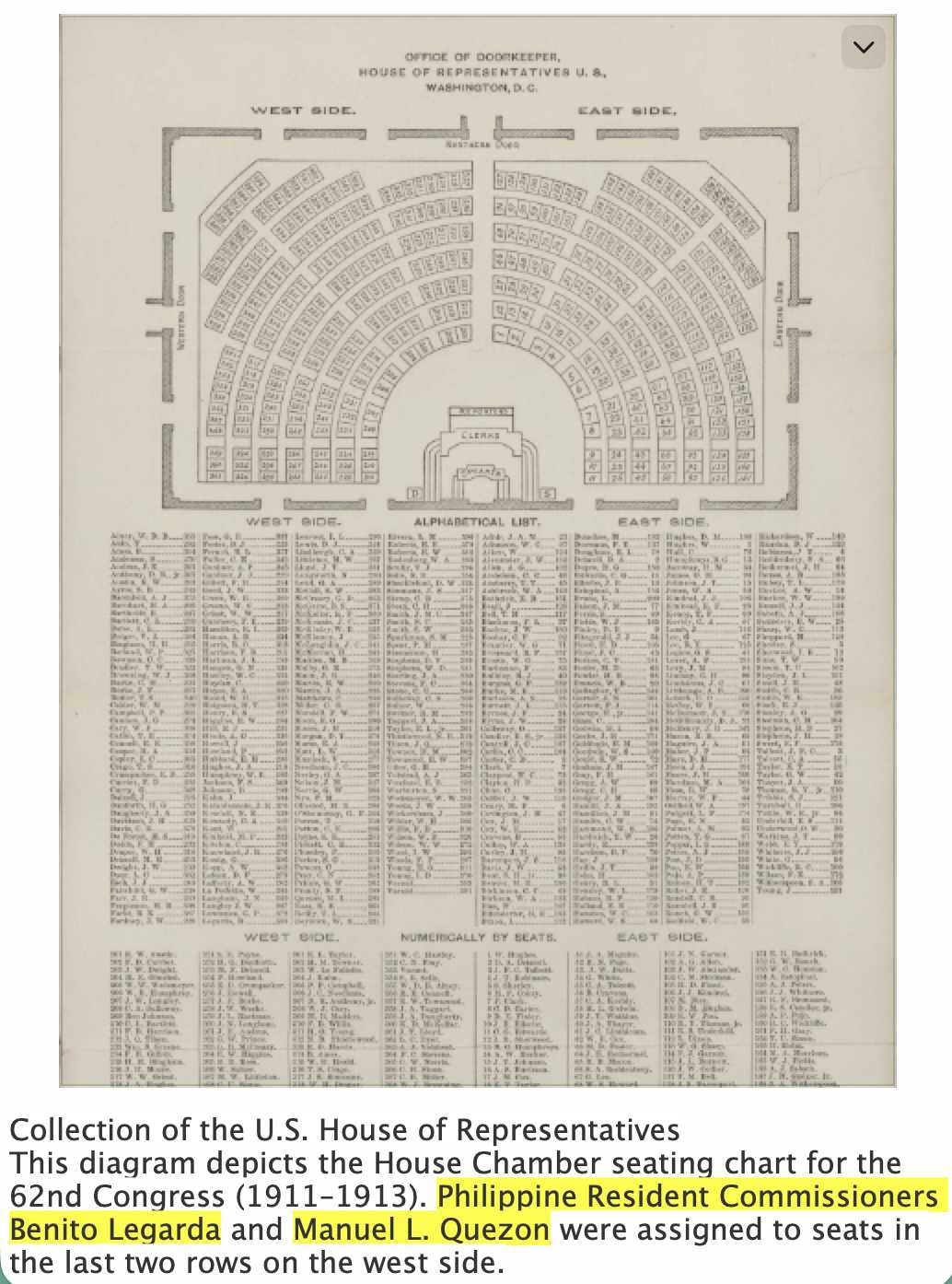
You were terse and dismissive in this morning's 7:25 Eastern time call with the Man with four step children applying for Naturalization from his Naturalized U.S. Wife of Philippine descent. You should be more considerate of history about America's relationship such as with the Philippine People, which is quite notable with intrinsic factors which should have favorable weight in consideration the Filipino propensity to immigrate and become American Citizens.

"The Resident Commissioner of the Philippines was a non-voting member of the U.S. House of Representatives from 1907 until the Philippines gained independence in 1946. This role was established under the Philippine Organic Act of 1902, allowing the Philippines to have representation in Congress, similar to current non-voting members from U.S. territories."

Don't be so apparently xenophobic and stop misrepresenting American (and Christian while you're at it) History in omission through culpable ignorance.

The Philippines, 1898–1946
...

post photo preview
November 11, 2025

Happy Veterans' Day.
Support our Troops. Before. During. After.

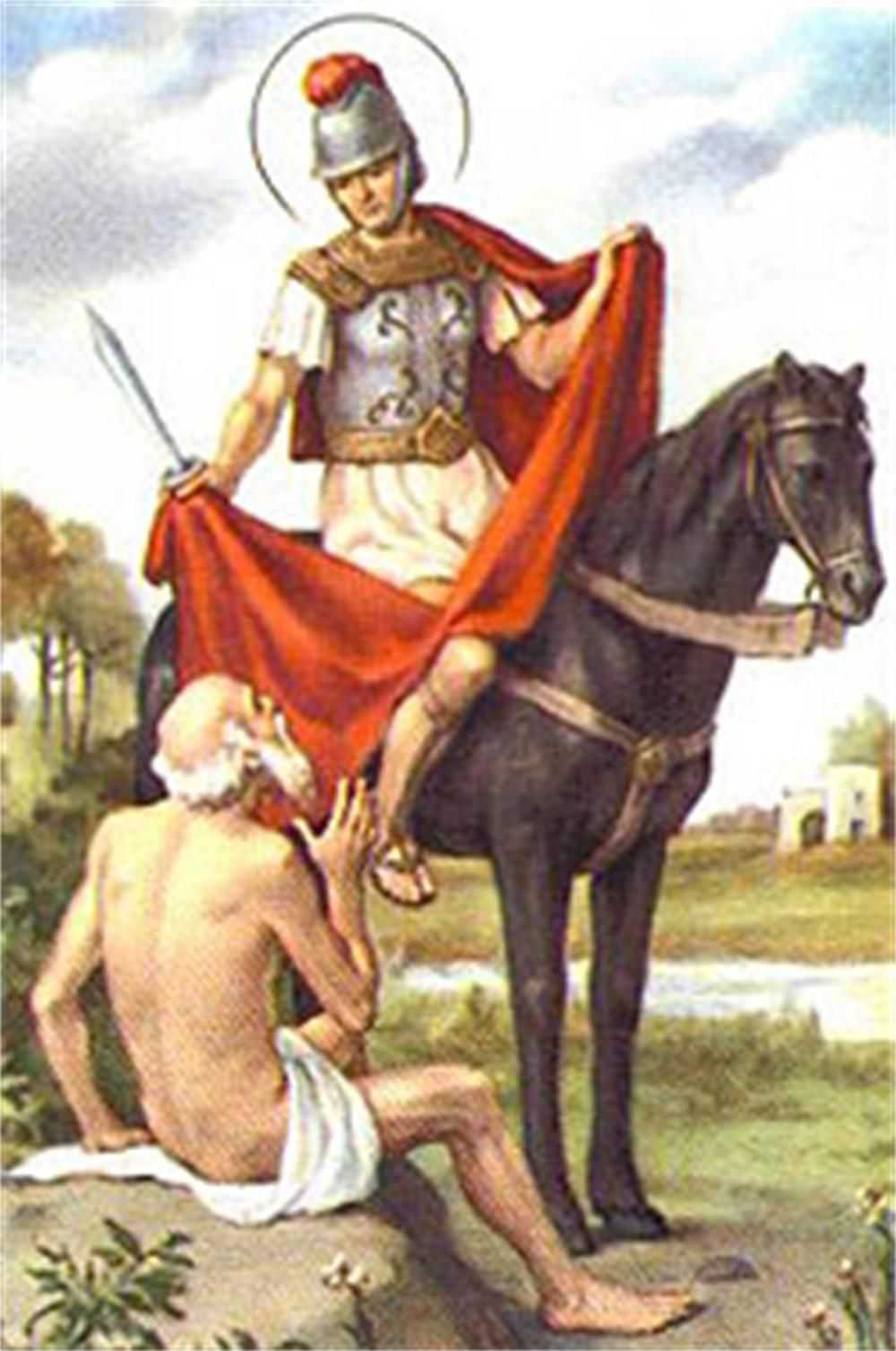
St. Martin, Bishop of Tours, Confessor, Soldier of the State, Soldier of Christ
November 11
https://www.bartleby.com/lit-hub/lives-of-the-saints/volume-xi-november/st-martin-bishop-of-tours-confessor

post photo preview
We Can't Trust Our Allies
Politics By Faith, January 6, 2025

We can no longer rely on our European allies for global security. It is also true that any reworking of global leadership has to start with renewed faithfulness to God. In this episode, we talk about Jason’s courage in Acts 17 and what it means to stand firm when you don't know who to rely on.

Welcome to Politics by Faith. 

Thanks for being here. 

Got an email from yesterday's episode that we did about how God's hand was clearly protecting our service members during the operation in Venezuela. There's no question about it. Steve wrote me a note, Steve in Ohio. He said, I was thinking not long after the success of the mission to Gran Maduro was promulgated, how many prayers for God to be with the troops at the beginning of this mission were offered up? I bet more than a couple. Knowing this administration, knowing the secretary of war like we do. 

I'm certain that that was true. I want today to provide one more broad overview of what's going on right now and what time we're living in. And then I want to bring in a biblical story of Jason that I think can drive all this home. One point, the big overall point I want to make is that, and maybe you've said this in your life as well, if you want something done right, you got to do it yourself. So what we outlined over the last couple of days is that we live in a post -Cold War era. where we've been told by academia that all empires are bad. 

All of human history has only been about empires, more empires than we can count, more empires than we've ever heard of. Some have totally been forgotten. There'll be empires just listed in the Bible. Just like one little mention of it. That's it. You never hear about it ever again, even though there was like an empire for hundreds of years that existed. 

I'm reading one book and it mentions an empire that existed that we know nothing. 

We don't know anything about. 

We have no evidence of it existing other than several different mentions of it in ancient texts. And it's a real thing, a real place, we don't even know where it was or what it's about or anything, right? It's only been empire. But after the Cold War, academia said, empire's bad. The problem was we were the only empire, therefore America bad. 

So from like 1970s or so on, empire's bad, therefore America bad. So from that point forward, our country went on a decades long intentional weakening of America. We gave authority over the UN, which is just a cabal of our enemies. We outsourced more and more of our manufacturing, more of our power. We imported more and more of the third world here, right? So we're going to make ourselves weaker by exporting what is good, or not exporting, outsourcing what is good. 

And we're going to bring in more of what is bad, more things that make us weak. And we were told diversity is our strength, of course, in that process. Everything that was done was done to make us weaker in the last just like 50 years. That's never been the case. I think the Panama canals, I know it's in the news too, but it's the perfect analogy. Everything in our history that we ever did was done to make us a player on the world stage, and the Panama Canal is such a perfect example. 

We built it, we finished it in 1914. The point of it, other than, of course, the geopolitical significance and economic significance, but the other point of it was to show the world what we're made of. The fact that the French who built the Suez Canal, which was easy, flat and straight, thought that they could come and build the Panama Canal here and failed, and then we had the gumption, the bravado to think that we could come in and get it done, and we did. It was crazy.


Read full Article
Christmas Eve: Journey of the Magi
Politics By Faith, December 24, 2025

A poetry reading on this Christmas Eve, from the great T.S. Eliot. He starts by quoting a Christmas sermon from 1622 and then ends with a line I hope to think of every day this year.

Welcome to Politics by Faith, a very special Christmas Eve edition. Taking a time out from preparing Christmas Eve and a little bit of prep on Christmas Day's feast for a quick poetry reading. 

T . S. Eliot became a Christian when he was 38 years old. There's a lot to share there in his journey as well, but this poem of his was his proclamation of becoming a Christian. It's called The Journey of the Magi. He wrote it in 1927. It starts off with a quote. 

A cold cuts three stanzas. A cold coming, we had of it. Just the worst time of the year for a journey. Such a long journey. The waves deep and the weather sharp. The very dead of winter. 

That quote is a paraphrase of a Christmas sermon that was given in 1622 by Lancelot Andrews. How about that for a name? Lancelot Andrews. The original line is, so this is the preacher speaking of the Magi. T . S. 

Eliot's poem is from the perspective of the Magi, so he changes a little bit there, but here's the original sermon. A cold coming they had of it at this time of year, just the worst time of the year to take a journey, and especially a long journey. The waves deep, the weather sharp, the days short, the sun farthest off, the very dead of winter. Let me read a little more from that sermon, actually. It's so good. Come is soon said, but a short word, but many a wide and weary step they made. 

before they could come to say lo here we are come and at our journey's end it's like easy to be like yeah yeah we're coming this was a journey we don't exactly know but somewhere between 500 and 900 miles maybe took one to three months for the magic. We just read about it in a sentence or two in the Bible. And we're like, oh yeah, they saw a star and they followed it and they arrived. You're like, well, hold on. That's a very long journey, a miserable journey. 

And certainly a journey that somewhere along the line, one of the guys had to be like, meh, are we, do we really want to do this? Do we need to do this? We just do something else instead. Should we just turn around? Should we turn around? We should turn around. 

Shouldn't we turn around? 

Months. 

Of this journey, the preacher goes on, we must consider the distance of the place they came from. It was not hard as by the shepherds. This was riding many a hundred miles. The shepherds only came a little bit. The way they came was through deserts, all the way waste and desolate. It was exceedingly dangerous through the midst of thieves and cutthroats. 

At the time of their coming, the season of the year, it was no summer progress. A cold coming they had of it at this time of year, just the worst time to take a journey. And he goes on, that's where the weather deep, sharp, days short. And these difficulties they overcame of a wearisome, dangerous, unseasonable journey. And for all this, they came to see Jesus because there was a star. These pagans saw a star. 

That's what they did. They studied the stars. If you heard our interview with Lee Strobel recently, he talked about how these were people who studied stars. So they would have noticed something odd and they followed it. Just hard for us to imagine, right? Navigation by the stars. 

They did that back then. Okay. Let's keep going. So that's just the first little opening quote. And then so T . S. 

Eliot then speaks just like this preacher did about how difficult this journey was. And the camels galled, sore -footed, refractory, lying down in the melting snow. 

There were times we regretted. 

The summer palaces on slopes, the terraces and the silken girls bringing sherbert. This is what they left. Then the camel men cursing and grumbling and running away and wanting their liquor and women. And the night fires going out and the lack of shelters and the cities hostile and the towns unfriendly and the villages dirty and charging high prices. A hard time we had of it. At the end, we preferred to travel all night, sleeping in snatches with the voices singing in our ears, saying that this was all folly. 

What are we doing? Look what we left. We left a beautiful place for this. And all day, sleeping in snatches, singing in our voices, singing in our ears, saying, what are we doing? Let's go to stanza number two. Then at dawn, we came down to a temperate valley, wet below the snow line, smelling of vegetation with a running stream and a water mill beating the darkness and three trees on the low sky. 

And an old white horse galloped away in the meadow. Then we came to a tavern with vine leaves over the lintel, six hands at an open door, dicing for pieces of silver and feet kicking the empty wine skins. But there was no information. And so we continued and arrived that evening. Not a moment too soon finding the place. It was, you may say, satisfactory. 

You can go back and listen to that stanza again and, or better yet, you read it and you can see, maybe easier to see, the, um, all the allusions to Jesus. Three trees. for the three chords. A white horse. Maybe the water mill beating the darkness is baptism. We have a river here, like a water river of life. 

We have dice, right? Casting of lots. Jesus is the vine. We have wineskins. A lot of biblical imagery here as they're on their journey. And essays and essays could be written about the last line of this penultimate stanza. 

And arriving at evening, not a moment too soon, finding the place, it was, you may say, satisfactory. When I first hear the word satisfactory, I think, uh, it's like, uh, all right, I guess. I guess it's fine. It's like a motel six or something like, all right, like it's a bad, I guess, I guess it's fine. Right. But no, that's not what satisfactory meant. 

So I went back to Webster's 1828 dictionary. Satisfactory, a most wise and sufficient means of salvation by the satisfactory. 

and meritorious death and obedience of the incarnate Son of God, Jesus Christ. 

" That's their definition of the word satisfactory. It means Christ is the satisfaction of the law. Satisfied. We've turned satisfied into a performance review. Satisfactory, not satisfactory, above satisfactory. Satisfactory is amazing. 

Satisfactory is unbelievably profound. We have this long and this constant longing that we can never fulfill until we die and go to heaven to be satisfied. And Jesus was the price paid. His death on the cross was the price paid for our sins. It's satisfied. It was satisfactory. 

So it shouldn't be read, and arrived that evening, not a moment too soon, finding the place. Were we led all that way for birth? There was a birth, certainly. We had evidence, no doubt. I had seen birth and death, but I thought they were different. This birth was hard and bitter agony for us, like death, our death. 

We returned to our places, these kingdoms, but no longer at ease here. And the old dispensation, just way of things, and our old way of things. With an alien people clutching their gods, I should be glad of another death. No longer at ease here. Everything's different for them. It's the same. 

The place is the same, but they are different. They now see these alien people clutching their gods. They saw Jesus. And we know Jesus. We put to death our old ways. Once they saw the Savior, the old way of things for them was a death. 

Just like when we become Christians. And they didn't feel at ease where they were anymore. And neither should we. Our real home is heaven. Hence this unbelievable last line, I should be glad of another death. I think of the story of the Magi as a bit of an odd placement in the Bible. 

I love that like I'm a Like, I'm the editor. I mean, I don't know, God. I don't know if you really needed to put this part in here. It seems a little random. God put it in there for a reason. He wanted us to know the Magi as a part of the birth of Jesus. 

And I don't think it was just plot development to get Herod involved and all. He wanted us to know their story. And I love this poem. 

It's a nice reminder that God came with us, Emmanuel, to save us so we can go to heaven. 

We are with an alien people clutching their gods down here. I should be glad of another death. Merry Christmas. Mike Slater dot Locals dot com. Transcript commercial free on the website. Mike Slater dot Locals dot com.


Read full Article
George Washington and Revelation 6
Politics By Faith, December 17, 2025

Homeland Security quoted a line from Thomas Paine's "American Crisis". This post from DHS reminded me that it is almost the 249th anniversary of George Washington crossing the Delaware. We should understand Revelation 6, which Paine referenced in his essay and which was read to the men in Washington's Army.

Welcome to Politics by Faith. Thanks for being here. The other day, yesterday, I believe it was, we quoted John Locke with his Appeal to Heaven, which made it to the George Washington approved, commissioned flag. Appeal to Heaven, a quote on Judges 1127, John Locke and his second treatise of government. Today, I want to go from John Locke to Thomas Paine. Thomas Paine, during the Revolutionary War, in the beginning of it, we were losing. 

We were getting crushed battle after battle. And Thomas Paine wrote The American Crisis, a series of 13 essays, in order to boost morale. A lot of famous lines in there. These are the times that try men's souls, one of them. I just want to share some of it here. He starts off explaining the desperateness of the situation. 

He says, let it be told to the future world that in the depth of winter, when nothing but hope and virtue could survive, that the city and the country, alarmed at one common danger, came forth to meet and to repulse it. The heart that feels not now is dead. The blood of his children will curse his cowardice, who shrinks back at a time when a little might have saved the whole. I love the man that can smile in trouble, that can gather strength from distress and grow brave by reflection. Tis the business of little minds to shrink, but he whose heart is firm and whose conscience approves his conduct will pursue his principles unto death. " So I'm just imagining being 1776 and you're in this country that's getting attacked by the king and how desperate the situation is and reading this. 

is to myself as straight and clear as a ray of light, not all the treasures of the world, so far as I believe, could have endured. me to support an offensive war, for I think it murder. But if a thief breaks into my house, burns and destroys my property, and kills or threatens to kill me, or those that are in it, and to bind me in all cases whatsoever to his absolute will, am I to suffer it? Of course not. " And then he makes a reference to Revelation 6 .16. That's why I'm talking about it now here in the Politics by Faith podcast. Revelation 6 .16. He doesn't quote Revelation 6 .16. He was so familiar, and so was his audience, so familiar with Revelation 6 .16 that he could just talk of it. Most historians today overlook how often our founding fathers would quote the Bible, because if you have no biblical knowledge of your own, you would miss this. You wouldn't even recognize that it was of the Bible because he doesn't say, as it says in Revelation 6, it doesn't say that. It just says these words. I conceive likewise a horrid idea in receiving mercy from a being who at the last day, so he's talking about if we lose this war, Even if they were to grant me mercy, I conceive it a horrid idea of receiving mercy from a being who at the last day shall be shrieking to the rocks and mountains to cover him and fleeing with terror from the orphan, the widow and the slain of America." That's Revelation 6, 16. 

So he's talking about how the British, even if they win this war, they will be cursed by God. They will be like people on the Latin, the last days. I'll wrap up with Revelation 6, 16 at the end of this podcast here. But the British too will be taken out by God, crying to God for forgiveness. for their sins. " Thomas Paine says, there are cases which cannot be overdone by language and this is one. 

And then he goes on and he says this, which Department of Homeland Security posted the other day with a painting of George Washington crossing the Delaware. Not the famous one, a different one, but still a great painting of Washington crossing the Delaware. Paine said, I thank God that I fear not. I mean, it just went through a pretty horrific description of the state of things, but his turn is, I thank God that I fear not. I see no real cause for fear. I know our situation well and can see the way out of it. 

I saw Homeland Security posted that and under it, someone posted a meme with that painting and it says, Americans will cross a frozen river to kill you in your sleep on Christmas. Literally not kidding. We've done that before. Which brings me to December 26th, 1776, 249 years ago. It's always fascinating to me how we look back on history and we think, oh, well, of course it turned out that way. Of course we won World War II. 

Of course we won the Revolutionary War. Of course, George Washington made it across the Delaware. Of course, we invented the atom bomb first. Of course, of course, of course, we made it to the moon, whatever. Of course, we did this thing. Of course, the Wright brothers were the first to invent. 

No, not even close. All these things that we look back on and think, well, yeah, of course it went this way. They're all miracles. And George Washington crossing the Delaware coming out to about 249 years ago was absolutely one of those miracles. His men were starving. It was freezing cold. 

It was in the 20s. There was a nor 'easter. The wind, they wrote, cut like a knife, driving sleet and snow. Many of them had no shoes. And they went on a three mile hike to get to the river by midnight. Three, three mile hike, 20 degrees, not wearing anywhere near proper attire, pitch black to get to the starting point of the mission. 

And that's when George Washington, 2 ,400 men, 18 cannons, 200 horses crossed the Delaware. Well, of course that worked. No, there were two other crossings planned at the same time or attempted, I should say. So three in total, two of them never made it. They never made it. The ice was too thick. 

The plan was too preposterous. And George Washington himself, the group he was in, he was about to abort too. They were three hours behind schedule. So by the time they made it across, if they made it across, there was still another 10 mile hike that would take another five hours. So they'd get there after the sun came up, they would lose the surprise and they'd all be killed. But he decided in his own words, quote, push on. 

Thank God they did. 22 enemy soldiers were killed, 98 wounded. The Americans captured a thousand prisoners. Only three Americans were killed in the Battle of Trenton, thanks to George Washington's crossing of the Delaware. And this was the turning point. It should not have worked. 

Conditions couldn't have been worse. They fought through a Nor 'easter. Thomas Paine published his first essay on December 19th, 1776 in Philadelphia. It was read to George Washington's troops on December 23rd, 1776. Right before, on Christmas Day, they crossed the Delaware. These are the times that try men's souls. 

The summer soldier and the sunshine patriot will, in this crisis, shrink from the service of his country. But he that stands it now deserves the love and thanks of man and woman. Tyranny, like hell, is not easily conquered. Yet we have this consolation with us, that the harder the conflict, the more glorious the triumph. Let's go to Revelation 6, which Thomas Paine knew intimately enough to reference as an offhand imagery, and that the American people and the people fighting, crossing that Delaware, knew so well that it was powerful and meaningful to them. Revelation 6 is about the six seals on the white horse, red horse, black horse, pale horse. 

Then we finally get to the fifth. Let me quote here. When he, Jesus, opened the fifth seal, I saw under the altar the souls of those who had been slain for the word of God and for the testimony which they held. And they cried with a loud voice, saying, How long, O Lord, holy and true, until you judge and avenge our blood on those who dwell on the earth? Then a white robe was given to each of them, and it was said to them that they should rest a little while longer, until both the number of their fellow servants and their brethren, who would be killed as they were, was completed. When all the martyrs are made, God will set it right. 

Then the sixth season began. This is the one that Thomas Paine was referencing. I looked when he opened Jesus opened the sixth seal and behold there was a great earthquake and the sun became black as sackcloth of hair and the moon became like blood and the stars of heaven fell to the earth as a fig tree drops its late figs when it's shaken by a mighty wind then the sky receded as a scroll when it's opened up and every mountain island was moved out of its place and here it is the kings of the earth The great men, the rich men, the commanders, the mighty men, every slave and every free man hid themselves in the caves and in the rocks of the mountains. 

Okay. 

They hid themselves and said, let me go back to Thomas Paine. He said, I conceive likewise, a horrid idea and receiving mercy from a being who at the last day shall be shrieking to the rocks and mountains to cover him. Here's revelation 616. So everyone, great men, mighty men, commanders, kings of the earth. They shall hide in the caves and rocks of the mountains and said to the mountains and rocks, fall on us and hide us from the face of him who sits on the throne and from the wrath of the lamb for the great day of his wrath has come. And who is able to stand all the mighty Kings, all the great men, everyone brought low. 

It's so bad. They're begging the rocks to fall on them and crush them and kill them rather than face God or in this case, the wrath of the lamb. And that's the final point I want to make here. coming up on Christmas. The wrath of the lamb in Revelation 6. The lamb we think of as the gentle lamb, the baby who we are. 

celebrating coming to earth, Emmanuel, God with us, right? Maybe you'll see some Christmas plays or whatever. That's a little baby, right? This innocent little precious baby, the gentle lamb. Well, his judgment in Revelation 6 is so dreadful that all the mighty kings and great strong men will plead to die, plead to be crushed by rocks rather than face him. So let us celebrate first George Washington and the men who crossed the Delaware. 

Coming up here on the 249th anniversary of that, let us celebrate Jesus as a baby. And also let us know that the wrath of the lamb will happen. Let's not be the people begging to be crushed by rocks rather than face him. We should be people who run to Jesus as a place of refuge, not people who run to caves, begging to be crushed to death. I'll end here. Could go on forever about this. 

Go to Revelation 16. This is the pouring out of the bowls. And this is the third, the third angel poured out the bowl on the rivers and springs of water and they became blood. And I heard the angel of the waters saying, you are righteous. So Lord, so you're thinking you hear all these, this wrath and it's horrible and awful. And here's, here's an angel saying you are righteous. 

So Lord, the one who is and who was and who is to be, because you have judged these things for, they have shed the blood of saints and prophets and you have given them blood to drink. So that's their punishment. They shed the blood. Their punishment is they have to drink the blood for it is their due. And I heard from. I heard another from the altar saying, Even so, Lord God Almighty, true and righteous 

are your judgments. Even in the midst of what we may look at today and think horrible, rough, whatever. From our perspective, God is good. God is good. His punishments are fair and appropriate and just. So repent, run to him, make him Lord of your life. 

Merry Christmas. Mike Slater, not your normal Christmas message. MikeSlater . Locals . com. Transcript commercial free. It's all on that website. MikeSlater .


Read full Article
See More
Available on mobile and TV devices
google store google store app store app store
google store google store app tv store app tv store amazon store amazon store roku store roku store
Powered by Locals